
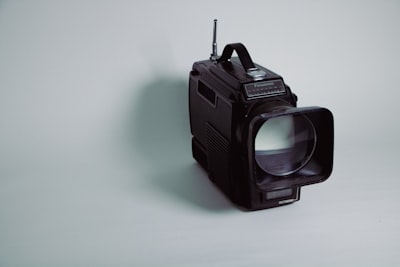
In a market where digital photography seems dominated by smartphones, interest in compact cameras that offer a purer and more creative experience is resurging. The latest to join this trend is the Godox C100, a device that bets on a radically different visual proposition: it incorporates a transparent LCD screen that also functions as an optical viewfinder, eliminating traditional color preview. This design not only reduces energy consumption and the weight of the equipment, but also invites the photographer to reconnect with direct framing, without digital distractions. Although technical details about the sensor or video capabilities are still scarce, the C100 represents a conceptual shift reminiscent of analog cameras, but with a current technological foundation.
From a professional perspective, this camera raises interesting possibilities for creative workflows where visual immediacy is not a priority, but careful composition is. The absence of a color screen can be a challenge for those accustomed to instant feedback, but also an opportunity to train the eye and trust in technique. In a business environment where capturing product images, technical documentation, or content for social networks is increasingly relevant, having tools that force you to think about each shot can improve the quality of the material generated.
Behind these innovations, the management of visual information and its subsequent processing requires robust technological solutions. This is where the development of custom applications allows companies to integrate their photographic processes with automated archiving, editing, and distribution systems. For example, a company that produces hundreds of catalog images can benefit from custom software that organizes metadata, applies predefined color adjustments, and publishes directly to sales platforms, all without manual intervention.
Furthermore, the incorporation of AI for businesses in image analysis allows for classifying content, detecting defects, or generating automatic descriptions, speeding up tasks that previously required hours of work. Artificial intelligence can also be applied to recommend compositions or lighting adjustments based on the context of the shot. For those looking to scale such processes, having cloud services aws and azure ensures secure storage, on-demand processing, and global access to files, without the need to invest in local infrastructure.
In parallel, cybersecurity becomes critical when images contain sensitive data or intellectual property. Implementing protection measures, such as encryption and access control, is part of a comprehensive strategy that many organizations delegate to specialists. Similarly, decision-making based on visual data is enhanced with business intelligence services and power bi, allowing cross-referencing of sales, inventory, and image quality information to detect trends. AI agents can automate the generation of periodic reports on the performance of each camera or photographic batch, freeing up time for creation.
The Godox C100, with its transparent viewfinder, is not just a compact camera for enthusiasts; it is a reminder that innovation does not always mean adding more pixels or connectivity, but rethinking the interaction with the tool. At Q2BSTUDIO we understand that each business needs to adapt technology to its real workflows, which is why we combine custom development, cloud, artificial intelligence, and business intelligence to create ecosystems that enhance creativity without neglecting efficiency and security. Photography, after all, is also data management, and that is where software technology makes the difference.