
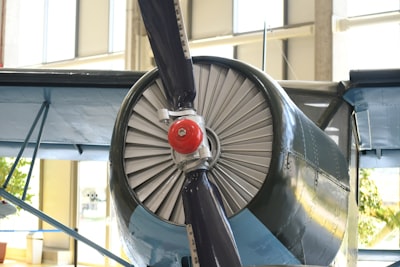
Technological heritage is not only preserved in display cases or archival documents; it is also preserved through experiences that connect people with the ingenuity that has shaped the modern world. The IEEE Global Museum is a clear example of how engineering societies can bring historical pieces to the general public, ranging from early radio receivers to the microchips that power today's artificial intelligence. Behind each exhibition lies meticulous work in curation, documentation, and increasingly, digital infrastructure that allows these traveling collections to reach conferences, universities, and cultural centers around the world.
In the era of digital transformation, initiatives like the IEEE Global Museum greatly benefit from modern technological solutions. For example, managing artifact inventory, coordinating exhibition dates, or analyzing visitor profiles requires custom applications that integrate databases, reservation systems, and augmented reality modules. A company like Q2BSTUDIO, specialized in custom software, could develop platforms that allow curators to tag pieces with historical metadata, generate interactive virtual tours, and collect real-time feedback, enriching the visitor experience without sacrificing academic rigor.
Additionally, artificial intelligence is revolutionizing the way large volumes of technical documentation are analyzed. AI systems for businesses can help historians identify patterns in patents, letters, and manuals accompanying artifacts, facilitating the creation of more accurate narratives. Conversational AI agents, for example, could act as virtual guides within exhibitions, answering questions about how a transistor works or the biography of an inventor like Edwin Howard Armstrong. Even cybersecurity plays a crucial role when unique collections are digitized: protecting copyrights, donor data, and high-resolution images of pieces requires robust measures that companies like Q2BSTUDIO integrate into their developments.
The cloud has also transformed the logistics of these exhibitions. AWS and Azure cloud services allow for storing multimedia catalogs, synchronizing content between venues, and providing remote access to academics anywhere in the world. Thanks to the scalability of these platforms, a global museum can deploy digital replicas of its most fragile artifacts, such as Armstrong's superheterodyne prototype or the Kodak KAF-1300 sensor, without risking the originals.
On the other hand, data analysis is essential for measuring the impact of exhibitions. Through business intelligence services and tools like Power BI, organizers can visualize which rooms attract the most visitors, which times have the highest traffic, or which content generates the most interaction on touch screens. This information, combined with digital surveys, allows for adjusting narratives and optimizing the design of future exhibits, such as the recent 'Microchips That Shook the World' presented during the IEEE Honors Ceremony.
Collaboration between technical societies and technology companies is key to ensuring that the history of engineering continues to inspire new generations. Q2BSTUDIO, with its experience in cross-platform development, artificial intelligence, and cloud solutions, is well-positioned to support cultural and educational projects that require a solid, agile, and user-centered technical approach. Thus, the legacy of pioneers like Armstrong or the engineers who designed the first commercial microprocessor is not only preserved but reinterpreted for a digital audience, keeping the flame of innovation alive.